White Dew
Overview
White Dew, is the 15th solar term in the traditional Chinese calendar, which divides the year into 24 distinct periods. This term typically begins in early September and marks the real onset of autumn. The name "White Dew" is derived from the phenomenon wherein the temperature starts to decline significantly, resulting in dew forming on the grass and trees, appearing white in the morning light. As the air cools during the night, water vapors condense into dew drops that glisten in the morning sun, signaling the transition from the hot summer to the cooler autumn season. This period is characterized by the gradual change in temperature, which can vary significantly based on geographical location within China. In regions such as Xinjiang, Sichuan, and the Greater Khingan Mountains, the arrival of White Dew ushers in one of the most picturesque times of the year, with vibrant foliage and a distinct chill in the air enhancing the seasonal beauty.
Climate and Weather Patterns
The term "White Dew" in Chinese is "Bailu", where "bai" means white and "lu" means dew. This naming reflects the visual appearance of the dew drops that form in the cooler temperatures of night during this solar term. The dew, appearing white and often resembling frost, is a natural consequence of the temperature drop that characterizes this period. The poetic nature of the term is reminiscent of traditional Chinese literature, where such natural phenomena are often celebrated for their beauty and symbolism.
White Dew is a critical period for agriculture, as it marks the time when farmers begin their preparations for the autumn harvest. The cooling temperatures signal the end of the growing season for many summer crops, while also indicating the need to prepare fields for autumn sowing. Farmers often use this time to assess the conditions of their fields, ensuring they are ready for the planting of autumn and winter crops. Additionally, the White Dew period is a time of increased agricultural activity, as farmers harvest mature crops and begin the cycle of planting anew, aligning their efforts with the natural shifts in climate.
Cultural Significance and Traditions
White Dew has been a source of inspiration for artists and writers throughout Chinese history. Its delicate beauty and transient nature are often depicted in paintings, poetry, and literature. The solar term is mentioned in the ancient text "The Book of Songs," where its poetic imagery is used to reflect themes of longing and nostalgia. Poetry, too, plays a significant role in capturing the spirit of White Dew, with verses describing the crystalline dewdrops, the changing foliage, and the serene autumn landscapes.
Symbolism
In Chinese culture, this solar term is often associated with themes of transience and the delicate beauty of nature. The dew that forms during this period is seen as a metaphor for life's fleeting nature, emphasizing the importance of appreciating beauty in the present moment. Such symbolism is deeply rooted in Chinese philosophy and literature, where the changing seasons are often used to illustrate the cycles of life and the passage of time.
Traditional Practices
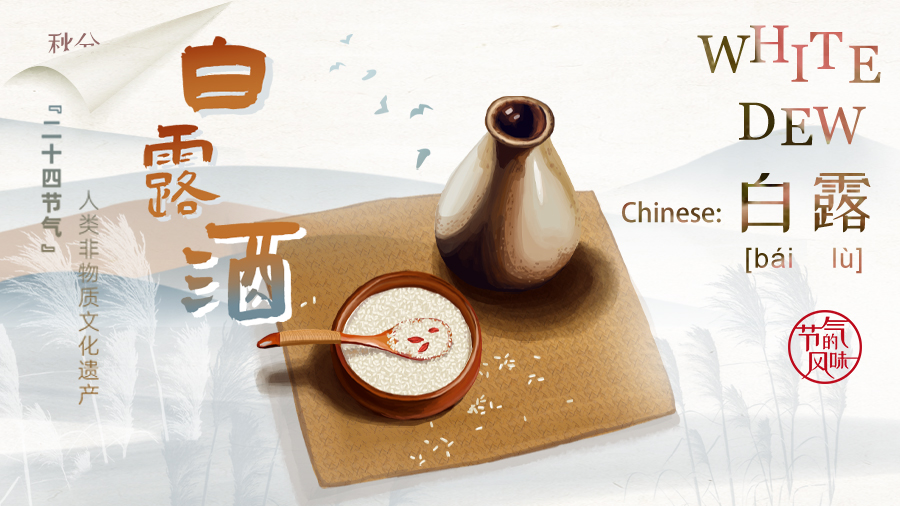
White Dew is marked by various traditional practices that reflect its cultural significance. In some regions, it is customary to eat specific foods believed to benefit health during this time. For instance, grapes and longan fruits are consumed in certain areas due to their perceived health benefits, such as nourishing the body and dispelling internal heat. Additionally, the preparation and consumption of White Dew Tea and White Dew Wine are popular traditions in regions like Jiangsu and Zhejiang provinces. These beverages are believed to embody the unique flavors of the season, providing warmth and comfort as the temperatures begin to drop. In Wenzhou, a unique tradition involves gathering ten "white" herbal medicines believed to have medicinal properties when prepared with black-bone chicken or duck. These practices highlight the integration of seasonal changes into daily life and the belief in harmonizing with nature for well-being.
Health Practices
In Fuzhou, the consumption of longan is a cherished tradition, believed to confer health benefits during this time. Meanwhile, in Nanjing, people savor White Dew Tea, harvested at its peak flavor, reflecting the region's appreciation for seasonal delicacies. These regional variations highlight the cultural diversity within China and the ways in which communities connect with the natural world during White Dew. Article reference1. 24 Solar Terms: 8 things you may not know about White Dew. chinadaily.com.cn. 20242. Time to feel mellow. chinadaily.com.cn. 2022Photo Gallery(4 pictures)CategoriesLifestyleTag24 Solar TermsRelatedCold Dew24 Solar TermsCatalogue1. Overview2. Climate and Weather Patterns3. Cultural Significance and Traditions4. Health Practices- - - []








